Business Insurance
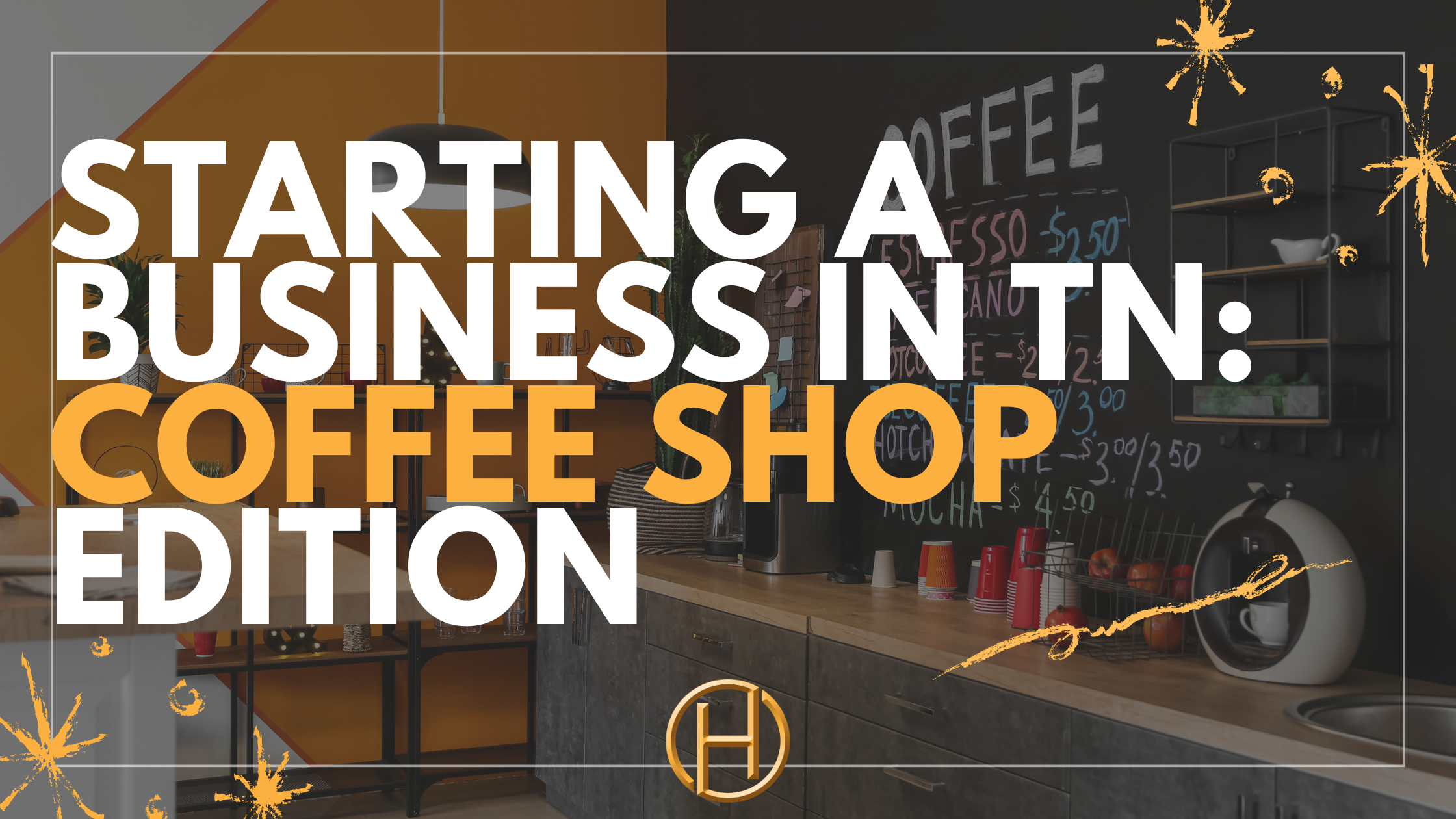

Opening a coffee shop is a dream a lot of Tennesseans chase, and it's a real business with real exposure the moment you sign a lease. You've got a build-out you sank your savings into, espresso equipment worth more than a car, customers in and out all day, and a landlord who wants proof of insurance before you get the keys. So before you pull your first shot, it's worth answering carefully: what insurance do I need for a coffee shop.
If you followed our food truck post earlier in this series, some of this will feel familiar, but a brick-and-mortar cafe has its own risks a truck never faces: the building you lease, the walk-in traffic, and the expensive equipment that has to keep running. Here's the whole picture for a Tennessee coffee shop.
For most coffee shops, the core of your coverage is a business owners policy, or BOP. It bundles the two things every cafe needs (general liability and commercial property) into one package, usually cheaper than buying them separately, and it's the foundation everything else builds on.
General liability covers third-party bodily injury and property damage, which in a busy cafe happens more than you'd like:
This is also the coverage your landlord and your vendors will require, usually at $1,000,000 per occurrence, and your lease will likely require you to name the landlord as an additional insured. Expect to hand over a certificate of insurance before you ever open the doors.
This covers your physical stuff: the espresso machines, grinders, refrigeration, furniture, POS system, signage, and the leasehold improvements you paid to build out. Even in a leased space, those improvements and that equipment are usually your responsibility, not the landlord's. If a fire or burst pipe wrecks the shop, commercial property is what rebuilds it.
Make sure the limit reflects what it would actually cost to replace everything today. Coffee equipment is expensive, and a shop insured for half its real value is a shop that doesn't reopen after a bad loss.
A good cafe policy includes several coverages that matter specifically because you handle perishable product and depend on equipment running around the clock. On Progressive's restaurant coverage package, for example, the built-in coverages include several of these:
Depending on how your shop runs, a few more coverages belong on the list:
Costs vary with your size, revenue, equipment, and whether you serve alcohol, but some rough benchmarks help with planning. General liability on its own often runs somewhere around $60 to $65 a month. A business owners policy bundling liability and property commonly lands near $90 to $100 a month for a typical shop, though larger or higher-revenue cafes pay more. Workers comp scales with payroll and is frequently the biggest line once you're staffed. Liquor liability, if you need it, adds a modest amount.
Build insurance into your startup budget right alongside your lease, your equipment, and your permits, because you can't open without it and you can't afford to be caught short.
What insurance do I need for a coffee shop before I can open? At minimum, a business owners policy (general liability plus commercial property), which your landlord will require, and workers comp once you hire staff. Add liquor liability if you serve alcohol, since Tennessee generally requires it for a license.
Does my landlord's insurance cover my coffee shop? No. Your landlord insures the building's structure, not your business, your equipment, your build-out, or your liability to customers. You need your own commercial property and liability coverage, and your lease will require it.
What happens if my espresso machine or refrigeration breaks down? Equipment breakdown coverage handles mechanical or electrical failures, and spoilage coverage reimburses perishable product lost when refrigeration or power fails. Standard property coverage handles fire and theft, not breakdowns, so these fill a real gap for a cafe.
Do I need liquor liability if I only serve beer and wine? Yes. Any alcohol service triggers the need for liquor liability, because your general liability policy excludes alcohol-related claims, and Tennessee generally requires proof of it to obtain a license.
Will insurance cover my lost income if I have to close for repairs? That's what business income (business interruption) coverage does. If a covered loss shuts you down, it replaces lost income while you repair, so rent and payroll don't sink you during the closure.
What insurance do you need for a coffee shop? A business owners policy is the core, combining general liability for your customers with commercial property for your build-out and equipment, plus the food-business coverages that matter most: spoilage, equipment breakdown, and business income. Add workers comp as you staff up, liquor liability if you serve alcohol, and cyber and umbrella coverage to round it out. And remember your landlord's policy covers the building, never your business.
This is post #10 in our Starting a Business in Tennessee series.
If you're opening a coffee shop or cafe in Mt. Juliet, Nashville, or anywhere in Tennessee, we'll match your coverage to your space, your equipment, and your menu, handle the certificates your landlord needs, and shop it all across multiple carriers to keep it affordable.
Call us at 615-773-2886 or visit hutins.com before you sign your lease. Ten minutes now can protect the whole shop.