Business Insurance
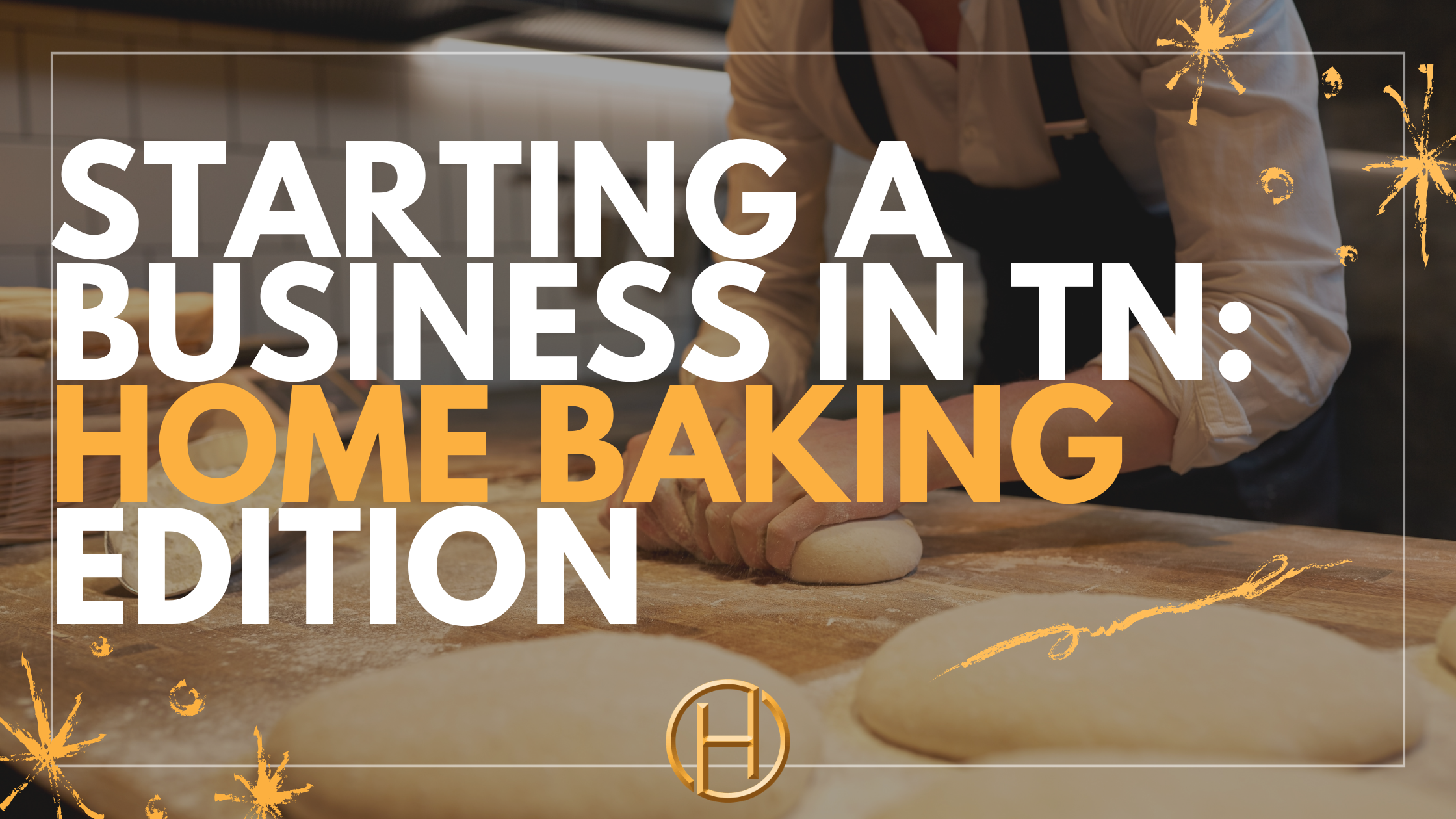

Tennessee is one of the best states in the country to start a home baking business, and that's not an exaggeration. Thanks to the state's Food Freedom Act, you can sell your baked goods without a license, without an income cap, and without state inspection. That freedom is a gift, but it comes with a catch most new bakers miss: being free to sell doesn't mean you're protected if something goes wrong. So the smart question before you take your first order is what insurance do I need for a home baking business.
The short answer: the law lets you operate wide open, which means the responsibility for protecting yourself falls entirely on you. Here's how to do it.
Tennessee's rules for homemade food are among the most relaxed anywhere. Under the state's Food Freedom Act, homemade food producers are generally exempt from state licensing, permitting, inspection, and most packaging and labeling requirements, and there's no cap on how much you can earn.
Practically, that means you can bake cookies, cakes, breads, pies, candies, jams, and other shelf-stable goods in your home kitchen and sell them without jumping through the regulatory hoops many other states impose. It's a genuinely great environment for a home baker.
There's one important line to understand: shelf-stable versus perishable. Non-perishable items (cookies, breads, jams, granola, dried goods) can generally be sold broadly, including through some retail outlets. Perishable items that must stay refrigerated to be safe (cream pies, cheesecakes, anything that needs to stay cold) generally must be sold directly to the consumer, not through stores. Knowing which category your products fall into matters, so confirm the current details with the Tennessee Department of Agriculture before you scale up.
But here's the part the law doesn't handle for you.
No license and no inspection also means no safety net. If someone gets sick, has an allergic reaction, or claims your product caused harm, the Food Freedom Act doesn't shield you from that liability. You do. And that's where insurance comes in.
Baking for the public creates real exposure, even for the most careful baker:
These aren't far-fetched. Food is one of the most personal, and most litigated, products there is. The good news is that the coverage to protect against it is affordable and straightforward.
For a home baker, product liability is the core coverage. It protects you when your actual product (the thing you baked and sold) is claimed to have caused illness, injury, or an allergic reaction. This is the exposure unique to selling food, and it's the coverage that responds when a customer says your brownies made them sick.
Tennessee doesn't legally require it under the Food Freedom Act, but going without it is a serious gamble. One claim can cost far more than years of coverage, and product liability is typically inexpensive for a home baking operation.
General liability covers third-party injury and property damage that isn't about the product itself:
This matters most when you sell in person, and it's frequently required to sell where the customers are. Many farmers markets, craft fairs, festivals, and pop-up venues require vendors to show proof of general liability insurance (often $1,000,000) before they'll give you a spot, and they may ask to be named as an additional insured. If you plan to sell at markets, you'll likely need this to get in the door, so line it up before you apply. Product and general liability are often sold together in an affordable package for food sellers.
Here's the trap that catches home bakers, and it's the same lesson from our daycare and Airbnb posts: your homeowners insurance excludes business activity in your home.
Running a baking business out of your kitchen is a business use, and homeowners policies specifically exclude business exposures. If a customer's claim traces back to something you sold, your home policy generally won't respond. Worse, a significant business operation you never disclosed could create problems with your home coverage itself.
So don't assume your homeowners policy has you covered, because it almost certainly doesn't. Let your agent know you're baking to sell, and get a proper policy for the business. This also lets your agent check whether your home policy needs any adjustment now that there's a business running under the roof.
This is the happy part. Home baking is one of the most affordable businesses to insure in this entire series. Food-seller policies bundling product and general liability are often available for a modest annual premium, in some cases a couple hundred dollars a year for a small operation. Coverage scales up as your sales, equipment, and venues grow.
Set that against the cost of a single foodborne-illness or allergic-reaction claim, and it's one of the easiest and cheapest protections you can put in place.
Do I need insurance to sell baked goods from home in Tennessee? Not by law. Tennessee's Food Freedom Act lets you sell without a license or required insurance. But the law doesn't protect you from liability if someone claims your product caused harm, so product liability coverage is strongly recommended, and markets often require general liability to sell there.
Does the Food Freedom Act mean I don't need to worry about liability? No. The Act removes licensing and inspection requirements, but it does not shield you from lawsuits. If a customer gets sick or has a reaction, you're still responsible. Insurance is what protects you.
Will my homeowners insurance cover my home baking business? Almost never. Homeowners policies exclude business activity in the home, so a claim tied to what you sell generally isn't covered. You need a separate policy for the business, and you should tell your agent you're baking to sell.
What's the difference between product and general liability for a baker? Product liability covers claims that your food caused harm, like an allergic reaction or illness. General liability covers accidents like a customer tripping at your market booth. Bakers who sell in person typically want both.
Do farmers markets require insurance to sell baked goods? Often, yes. Many markets and fairs require proof of general liability (commonly $1,000,000) and may ask to be named as an additional insured. Have coverage in place before you apply for a booth.
What insurance do you need for a home baking business? Product liability first, because it covers the food you sell (your biggest exposure), and general liability so you can sell at the markets and fairs that require it. And don't rely on your homeowners policy, because it excludes the business you're running from your kitchen. Tennessee's Food Freedom Act gives you the freedom to build something; insurance is what keeps one bad claim from taking it away.
This is post #14 in our Starting a Business in Tennessee series.
If you're starting a home baking business in Mt. Juliet, Nashville, or anywhere in Tennessee, we'll set you up with affordable product and general liability, make sure your home coverage is squared away, and handle the certificates your markets require, all shopped across multiple carriers.
Call us at 615-773-2886 or visit hutins.com before your next order. Protecting your little bakery takes about ten minutes.