Business Insurance
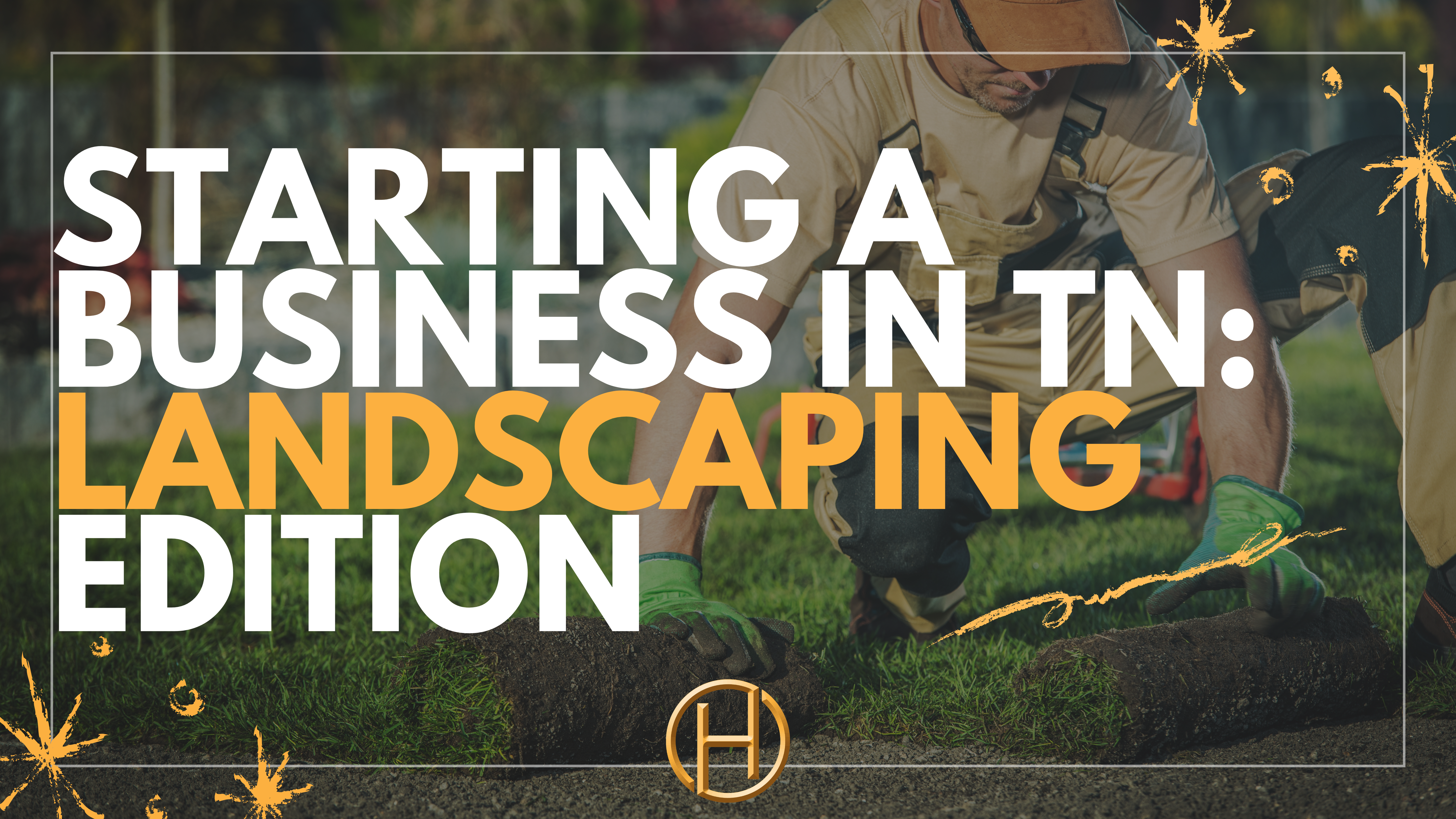

Spring hits Middle Tennessee and suddenly everyone with a mower and a trailer is in business. If that's you this year, congratulations, and let's talk about the question that separates the hobbyists from the real operations: what insurance do I need for a landscaping business?
It matters more than most new owners realize. Commercial clients and property managers won't sign a contract without proof of insurance. One rock thrown from a mower deck through a bay window, or one stolen trailer full of equipment, can erase a month of profit. And if you're hiring help, the stakes go up fast.
Here's what a Tennessee landscaping or lawn care business actually needs.
General liability is the foundation. It covers injuries and property damage your work causes to other people, which in landscaping is a longer list than you'd think:
Most landscapers carry $1,000,000 per occurrence, and that's the number commercial clients, HOAs, and property managers will ask for before you can bid their work. Like the food truck world, you'll be asked for certificates of insurance regularly, so having a local agent who can turn one around the same day is worth real money.
One Tennessee-specific note: if you apply fertilizers, herbicides, or pesticides for pay, you need the proper applicator licensing through the state, and you should tell your agent, because some general liability policies limit or exclude chemical application claims. There are policies built to include it. You just have to ask for the right one.
Your truck is a work vehicle now, and your personal auto policy excludes business use. The day you start hauling mowers for money, you need a commercial auto policy.
The good news is that carriers know this industry well. Progressive's Tennessee commercial auto program, for example, has specific business classes for landscaping, lawn, garden, and tree operations, including year-round setups that switch to snow removal and firewood delivery in the off-season. That matters because a policy classed correctly pays claims smoothly. A landscaping business insured as a personal-use pickup is a denied claim waiting to happen.
Don't forget the trailer. Your trailer needs physical damage coverage of its own, and liability follows the tow vehicle, so both pieces have to be set up together. If you're towing an open trailer with $15,000 of equipment strapped to it through Nashville traffic every day, this is not the corner to cut.
Ask any landscaper what their biggest fear is and theft is near the top. Zero-turn mowers, trimmers, blowers, and chainsaws are expensive, easy to steal, and easy to sell. A commercial auto policy covers the truck, but the equipment riding on the trailer needs its own protection, usually through what's called inland marine or contractors equipment coverage.
This covers your gear wherever it goes: on the trailer, at the job site, or in the shop overnight. If someone cuts the lock at a gas station while you're inside, equipment coverage is what buys you new mowers instead of a very bad season.
A quick inventory exercise helps here. Add up the replacement cost of everything on your trailer right now. Most new owners guess low by thousands. Insure the real number.
In Tennessee, most non-construction businesses are required to carry workers' compensation once they have five or more employees. But landscaping has a wrinkle: if your work crosses into construction-type services, think retaining walls, hardscaping, grading, the threshold can drop to a single employee. Where your business falls depends on what you actually do, so this is a question to settle with your agent before your first hire, not after an injury.
And even when it's not required, think hard about carrying it anyway. Landscaping is physical work with spinning blades, ladders, and August heat. One serious cut or heat stroke without coverage, and those medical bills can land on the business owner personally.
Once you have a shop, an office, or meaningful business property, a business owners policy (BOP) bundles general liability and property coverage together at a better price than buying them separately. Progressive's BOP appetite, for example, includes landscape gardening and lawn sprinkler installation and service.
But pay attention to the fine print, because standard landscaping BOPs commonly exclude the riskiest work:
This is the single most common gap we see in this industry. A crew that mostly mows but "does a little tree trimming on the side" may have zero coverage for the chainsaw work, which happens to be the work most likely to hurt someone. Tree service is its own risk class with its own (more expensive) insurance for a reason. If trees are part of your menu, say so up front and get a policy that actually covers them.
For a small operation, general liability for lawn care and landscaping averages around $45 to $55 per month. Commercial auto for the truck and trailer is the bigger line, typically a few thousand a year depending on vehicles and driving records. Equipment coverage scales with the value of your gear, and workers comp scales with payroll.
For comparison, tree service businesses pay roughly three times as much for general liability, around $138 per month on average, which tells you everything about how differently insurers see chainsaw work.
A realistic starting budget for a one-crew operation with truck, trailer, and equipment properly covered usually lands in the $2,500 to $5,000 per year range. Seasonal businesses can sometimes adjust coverage in the off-season, which is another conversation worth having with your agent.
Can I run a lawn care business on my personal auto insurance? No. Hauling equipment for pay is business use, and personal policies exclude it. If you're mowing for money, the truck needs a commercial policy.
Do I need insurance if it's just me and a push mower? Legally, Tennessee doesn't require general liability for a solo operator. Practically, your first commercial client will, and one broken window or struck gas line can cost more than years of premium. Solo operators are exactly who general liability is priced for.
Does landscaping insurance cover tree removal? Usually not. Tree work is typically excluded from standard landscaping policies and BOPs. If you cut trees, you need coverage rated for tree service. Don't assume, ask.
What insurance do I need for a lawn care business vs. a landscaping business? The same core lineup: general liability, commercial auto, equipment coverage, and workers comp as you hire. The difference is in the details, like chemical application, hardscaping, and irrigation work, which is why the right policy starts with an honest list of every service you offer.
Is my equipment covered if it's stolen off my trailer? Only if you have equipment (inland marine) coverage. Commercial auto covers the truck and trailer, not the mowers riding on it. This is the most commonly missed coverage in the industry.
What insurance do you need for a landscaping business? General liability to win the work and survive the accidents, commercial auto for the truck and trailer, equipment coverage for the gear that earns your living, and workers comp as soon as you hire, sometimes from employee number one. And if tree work is anywhere in your plans, get it covered explicitly, because standard policies leave it out.
This is post #2 in our Starting a Business in Tennessee series. Last time we covered [food trucks]; next up, more of the businesses our neighbors are starting every week.
If you're starting a landscaping or lawn care business in Mt. Juliet, Lebanon, or anywhere in Tennessee, we'll shop your whole setup across multiple carriers and make sure every service you offer is actually covered.